You must obey all official signs, signals, and markings unless a police officer or road worker is redirecting traffic. Signs often use symbols or pictures instead of words. Each type of sign has its own color and shape so you can recognize it at a glance.
Getting Started
To operate a motor vehicle on Oregon highways or public roads, you must have a valid driving privilege. This course covers the requirements for a Class C non-commercial driving privilege, which is the standard license most drivers get.
Every time you take a test, you must first pay the test fee and show proof of identity, date of birth, and your current residence address. You can take tests at most DMV offices. The test fee is separate from any other DMV fees.
Regulatory Signs — Prohibitive
Traffic signs that prohibit certain actions or movements are red in color and increase safety by controlling the flow of traffic through intersections.
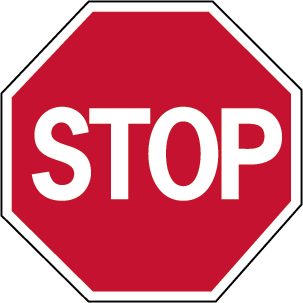
Stop — Octagon: You must come to a complete stop. Yield to other vehicles, and stop and stay stopped for pedestrians crossing in marked or unmarked crosswalks. When it is safe, you may enter the intersection.
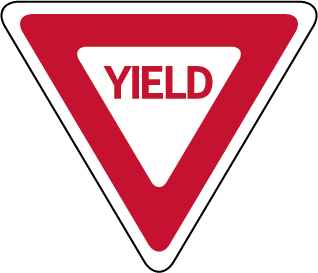
Yield — Triangle: Reduce speed and yield right of way. If needed, stop the same as you would for a stop sign.
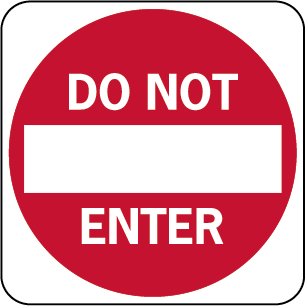
Do Not Enter — Square: This sign warns you not to enter a road or freeway. You will see this sign if you are going the wrong way.
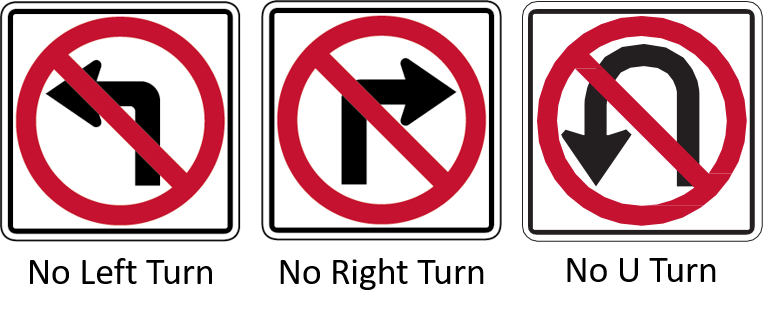
No Left Turn: A red circle with a slash mark means do not make the turn shown.
No Right Turn: A red circle with a slash mark means do not make the turn shown.
No U Turn: A red circle with a slash mark means do not make the turn shown.
Regulatory Signs — Other
Regulatory signs are rectangular with black words or symbols on a white background and tell you what to do. They are posted at or near where the requirement applies. Not all regulatory signs are shown here.
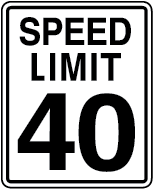
Speed Limit: Indicates the maximum speed in miles per hour. Signs may be electronic and may change based on current conditions.
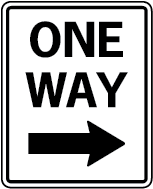
One Way: Traffic flows only in the direction of the arrow.
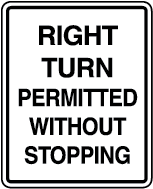
Right Turn Permitted Without Stopping: This sign may appear below a stop sign. Traffic turning right may turn without stopping. Other traffic must stop and yield right of way.
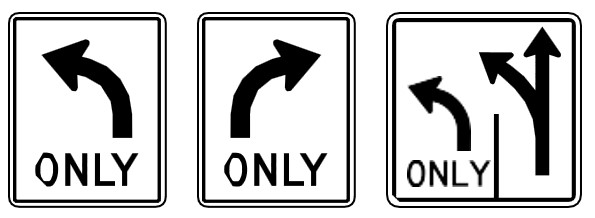
Lane-Use Control: These signs are used where turns are required or permitted from lanes as shown.
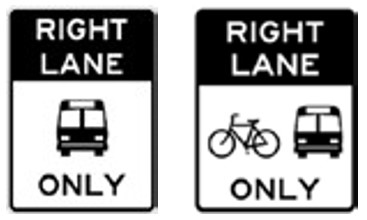
Right Lane Transit Only: Used in Transit Only lanes. Only transit vehicles, or people biking if indicated, may continue straight through an intersection.
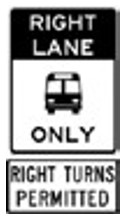
Right Turns Permitted: You can briefly use the transit lane to turn into a driveway, turn at the next intersection, or pull over to park where allowed. Always yield to transit vehicles and people riding bicycles in transit lanes.
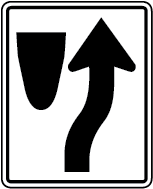
Keep Right: A traffic island, median, or obstruction divides the road ahead. Keep to the right.
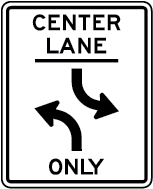
Center Lane Turn Only: Share the center lane for left turns from both directions.
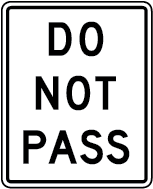
Do Not Pass: This sign indicates that you may not pass.
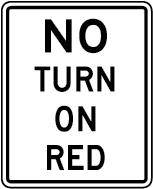
No Turn on Red: You may not turn during the red light. You must wait for the signal to turn green.
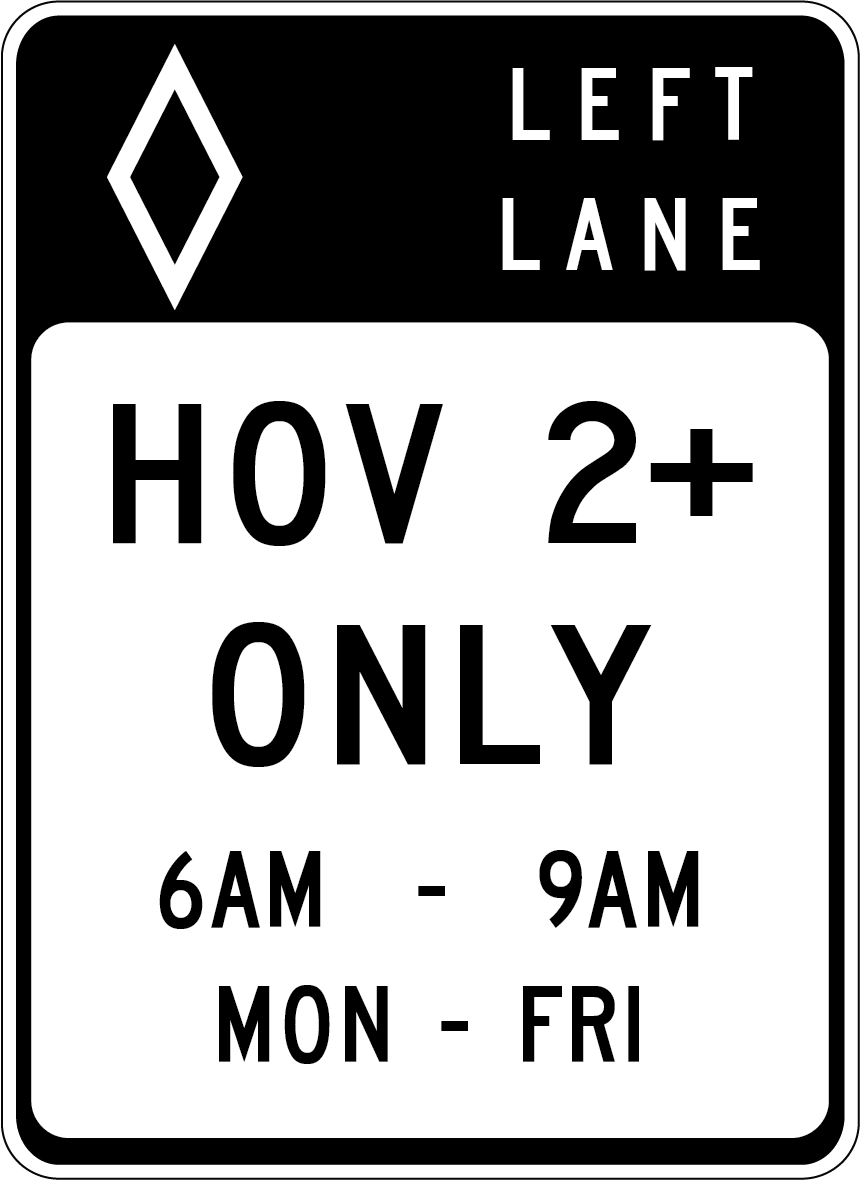
High Occupancy Vehicle: This lane is reserved for vehicles carrying two or more persons, as noted on the sign. A white diamond may be painted on the lane.
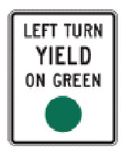
Left Turn Yield on Green: On a green circular signal, yield the right-of-way to oncoming traffic and pedestrians until it is safe to turn.
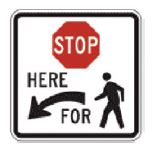
Stop Here for Pedestrians: This sign may appear near a crosswalk. Stop at the stop line when a pedestrian is in the crosswalk.
Warning Signs
Warning signs are yellow and alert you to known possible hazards or a change in road conditions ahead. As a driver, you are responsible for recognizing and reacting correctly to changing conditions, signed or not. Not all warning signs are shown here.
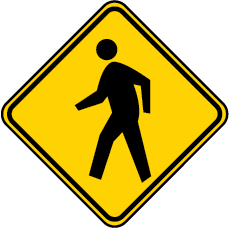
Pedestrian Crossing: Be alert for people crossing your path. These signs may include a flashing yellow beacon indicating a pedestrian is crossing, has recently crossed, or is about to cross.
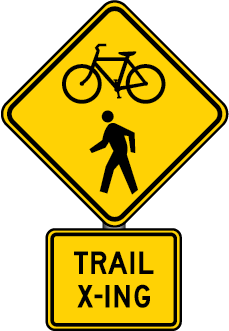
Multiuse Path Crossing: People riding bicycles and pedestrians regularly cross the road in this area.
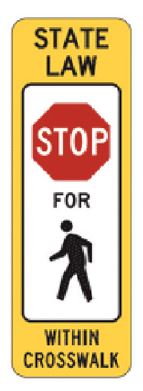
In-Street Pedestrian Crossing: This sign may appear at a crosswalk. Stop when a pedestrian is in the crosswalk.
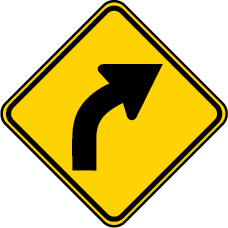
Curve: There is a curve ahead.
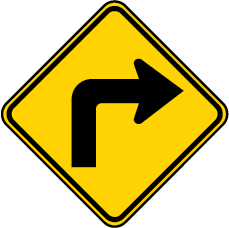
Sharp Turn: There is a sharp turn in the road ahead.
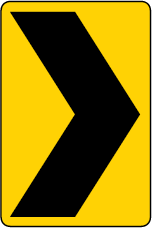
Chevron: A sharp curve or change in the direction of the road is at the sign.
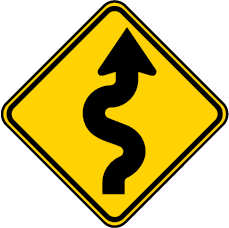
Winding Road: The road contains a series of turns or curves.
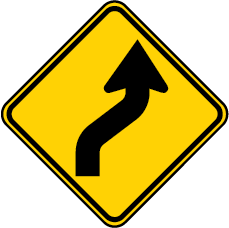
Reversing Curves: The road ahead curves to the right, then left.
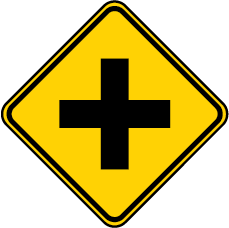
Crossroad: A four-way intersection is ahead. Cross-traffic may enter the road.
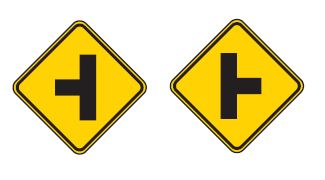
Side Road: A T intersection is ahead. Traffic may enter the road from the left or right.
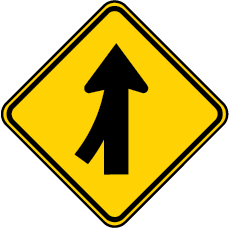
Merge: Traffic is merging from the side shown.
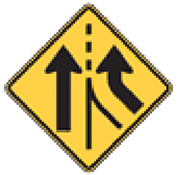
Add Lane: Two roadways join together. You do not need to merge.
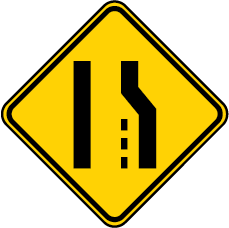
Lane Reduction: The indicated lane ends soon. Vehicles in that lane must merge into the through lane.
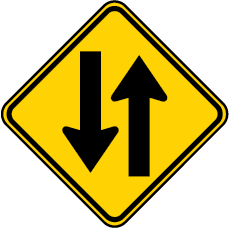
Two-Way Traffic Ahead: The one-way road joins a two-way road ahead. You will be facing oncoming traffic.
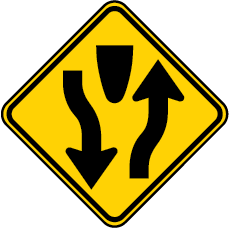
Divided Highway Begins or Ends: Indicates the beginning or end of a divided highway. Keep to the right.
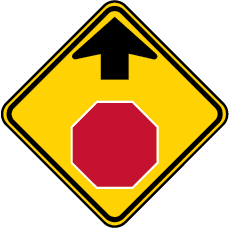
Stop Ahead: There is a stop sign ahead. Slow down and prepare to stop.
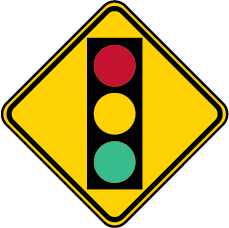
Signal Ahead: A traffic signal is ahead. Slow down and be ready to stop.
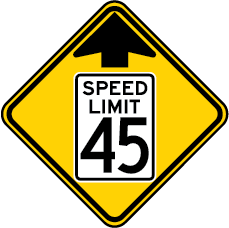
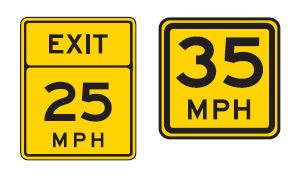
Reduced Speed Limit Ahead: A reduced speed limit is ahead. Prepare to slow down.
Roundabout Ahead: There is a roundabout intersection ahead.
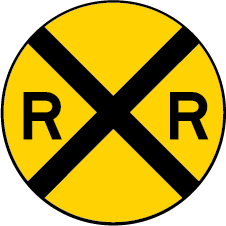
Railroad Advance: A railroad crossing is ahead. You may have to stop.
Low Clearance: The overpass ahead has low clearance. Do not proceed if your vehicle is too tall to pass under it.
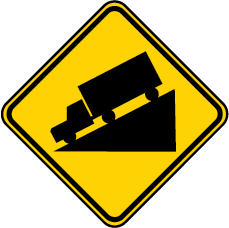
Hill: A steep grade is ahead.
Advisory Speed: Advises the safe speed for freeway ramps and curves. May be used with other signs, and may be electronic.
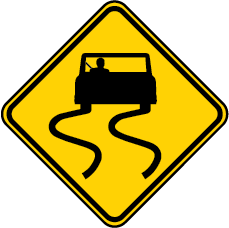
Slippery When Wet: The pavement is unusually slick when wet.
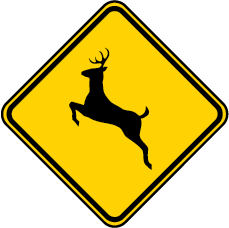
Deer: Deer often cross the road in this area. Be alert and slow down if you see deer or other wildlife.
Route, Guide, and Information Signs
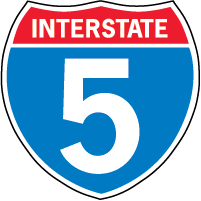
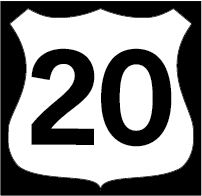
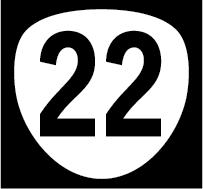
Route signs show you which route you are on and whether the road is an interstate, U.S. route, or state highway. Guide or information signs are green and give exit information or show the direction of roads or cities.
Interstate Route: Shows you are on an interstate highway.
U.S. Route: Shows you are on a U.S. numbered route.
State Highway: Shows you are on an Oregon state highway.
Guide / Exit Sign: Green signs give exit information or show the direction of roads or cities. The number on an exit sign helps you know which exit to take.
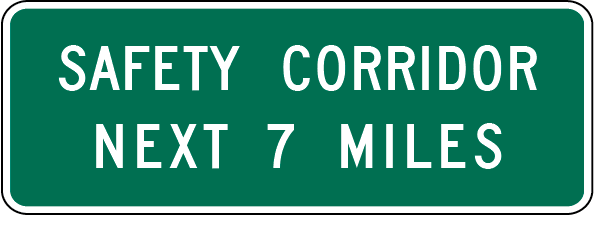
Safety Corridor: Designated stretches of highway with more fatal and serious injury collisions than the statewide average. Turn on your lights for safety. Signs may include diamond-shaped flags.
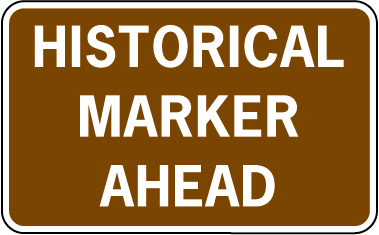
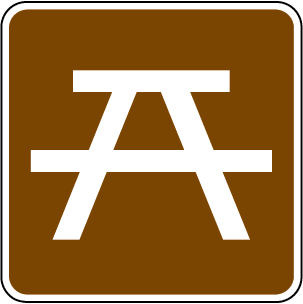
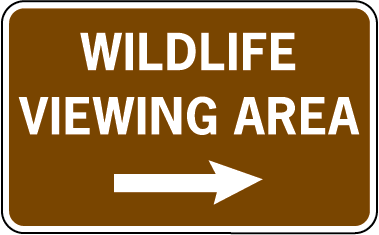
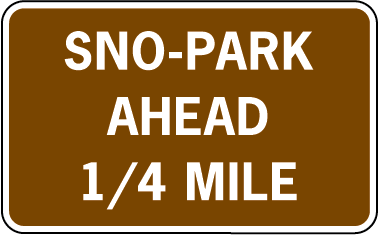
Historic, Cultural, and Recreational Signs: Brown signs point to historic and cultural locations, scenic areas, picnic grounds, and parks.
Motorist Service Signs
These blue signs tell you about services or facilities along the highway.
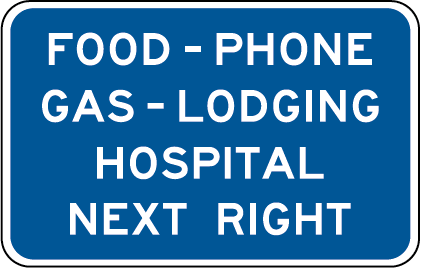
Combined Services: Shows which services, like food, phone, gas, lodging, or a hospital, are available at the next exit.
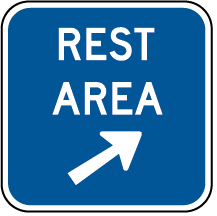
Rest Area: A rest area is ahead.
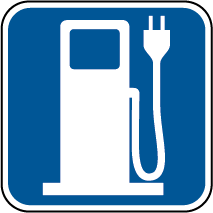
Fuel and EV Charging: Gas is available, and this location may also offer electric vehicle charging.
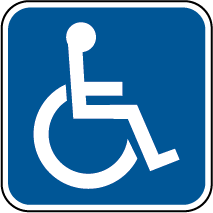
Accessible Facility: A facility or parking area is accessible to a person with a disability.
Hospital: This sign points the way to a hospital.
Check Your Understanding
Signs: Knowledge Check
5 questions. Answer them all, then check your answers. You can change your answers and try again as many times as you want.
1. What does an octagon-shaped red sign mean?
2. What color are warning signs, and what do they mean?
3. A sign with a red circle and a slash mark through a symbol means:
4. What color are guide and information signs, like exit signs?